
Giving a Little More
Family Edition

Screenshot

Download PDF

icon parsha recap arrow sep26

parsha recap

At the beginning of this week’s parsha we learn the sad news that Sarah, Avraham’s beloved wife, has passed away. Avraham buries her in the Cave of Machpelah, in the city of Chevron.

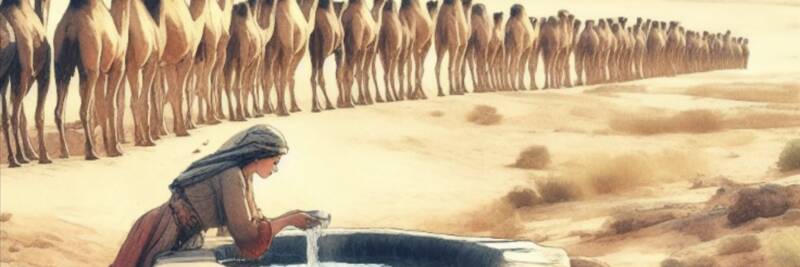
Sometime later, Avraham sends his servant to his hometown of Aram Naharayim to find a wife for his son, Yitzchak. When the servant arrives, he prays to God to guide him to the right woman. Soon after, Rivka appears at the well. She is the daughter of Betuel, the son of Nachor, Avraham’s brother. Through her words and her actions, the servant of Avraham recognises that Rivka is indeed the right match for Yitzchak. Rivka not only offers to draw water for the servant, but she volunteers to fetch water for all ten of his camels too.

  • Why do you think Avraham sent his servant to find a wife for Yitzchak, instead of going himself?
  • How did the servant know that Rivka was the right person for Yitzchak? Did she do anything that reminds you of Avraham’s past actions?

icon a closer look loupe magnifying glass sep26

a closer look

While fulfilling the stranger’s request for water, Rivka identifies a need he has not mentioned and meets that as well.

Jewish ethics is refreshingly down-to-earth. If someone is in need, give. If someone is lonely, invite them home. If someone you know has recently been bereaved, visit them and give them comfort. If you know of someone who has lost their job, do all you can to help them find another. The sages called this “imitating God”.’

Source: Will We Have Jewish Grandchildren?, ch. 1.
icon moral matters scale sep26

moral matters

  • Rivka does more than she is asked to do. Why might noticing what someone needs be important? Why is it better than doing exactly what you are asked to do?
  • The sages call this type of kindness ‘imitating God’. Do you like the idea that we can act more like God through the way we treat others? Why?
  • Rivka’s kindness takes effort and time. Should we always help others, even when it is inconvenient? Why, or why not?
Covenant & Conversation Family Edition

Written as an accompaniment to Rabbi Sacks’ weekly Covenant & Conversation essay, the Family Edition is aimed at connecting teenagers with his ideas and thoughts on the parsha.

Next Week

Coming Soon